Have you checked out [Inertial Positioning](https://www.navigationins.com/inertial-positioning)? It's really shaking things up in how we think about navigation and tracking. Experts like Dr. Jane Smith, who's pretty much a pioneer in this space, say, “Inertial Positioning is a game-changer, especially in places where GPS just doesn’t cut it.” That really sums up why so many buyers are on the lookout for the best options around.
Today, as different industries start to make the most of these tech advances, it’s pretty important to get a handle on who’s leading the charge. Big names like XYZ Dynamics and ABC NavTech are pushing the envelope, no doubt. But with how fast things are evolving, it can get a bit overwhelming trying to figure out what’s right for you. The best solutions don’t look the same across the board; they really depend on what you need.
One thing to keep in mind when choosing an Inertial Positioning system is balancing cost and performance. Sure, some options promise pinpoint accuracy, but they usually come with a bigger price tag. So, understanding what trade-offs you’re okay with is super important if you want to make a smart choice.

Overview of Inertial Positioning Solutions
Inertial positioning solutions play a crucial role in navigation and tracking systems. These technologies utilize accelerometers and gyroscopes to determine the position and orientation of an object without relying on external signals. This makes them particularly useful in environments where GPS is unreliable, like indoors or underwater. Their growing importance in various industries cannot be overstated.
The accuracy of inertial positioning can vary. Factors such as sensor quality and environmental conditions greatly influence performance. Over time, errors can accumulate, leading to drift, where the estimated position strays from the true location. Developers continuously strive to improve algorithms for better accuracy and reliability. Regular calibration is essential to mitigate these issues and enhance user experience.
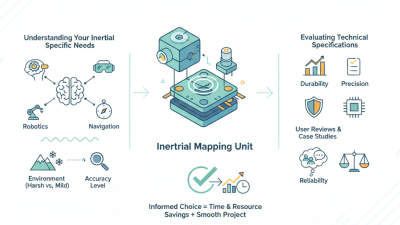
Adopting inertial solutions requires careful consideration. Buyers must evaluate specific needs and environment compatibility. Different applications demand diverse performance requirements. An in-depth understanding of technological trends is vital. Engaging with experts can help buyers navigate the complexities of these systems. This engagement fosters informed decisions and promotes effective solutions tailored to individual use cases.
Key Technologies in Inertial Positioning
Inertial positioning technology plays a critical role in various sectors, including automotive, aerospace, and personal navigation. According to a recent market analysis, the inertial sensor market is projected to reach $XX billion by 2025, highlighting the growing demand for high-accuracy positioning systems. Key technologies driving this growth include Micro-Electromechanical Systems (MEMS) and advanced algorithms for data fusion. These technologies enhance the performance of inertial navigation systems (INS) by improving position accuracy in challenging environments.
Recent reports indicate that the integration of artificial intelligence (AI) into inertial navigation systems is on the rise. AI algorithms can process large datasets and make real-time decisions, significantly increasing the responsiveness of positioning solutions. This is particularly vital in applications like autonomous vehicles, where split-second accuracy is crucial. However, the complexity of integrating AI poses challenges in standardization and reliability.
Moreover, the combination of inertial sensors with other positioning technologies, such as GPS and visual systems, is an area of active research. This hybrid approach aims to mitigate the limitations of each technology, yet it introduces new concerns regarding data security and system vulnerability. Ensuring robust protection against potential cyber threats will be essential as this technology continues to evolve.
Top Features to Consider When Choosing Solutions
When choosing an
Inertial Positioning System, it is essential to consider several key features.
Accuracy is paramount. Systems with high precision ensure reliable data for navigation and positioning. According to a recent industry report, systems that maintain accuracy within
5 centimeters have a substantial advantage in various applications, including automotive and robotics.
Another critical factor is integration capabilities. The Inertial Positioning System should seamlessly combine with existing technologies. Systems that offer easy API access tend to win favor among developers. This flexibility allows for enhanced functionality, leading to better overall performance.
Tip: Always ask for integration support during the selection process. Having a responsive support team can make a significant difference.
Finally, data processing speed is vital. Systems with faster processing times can frequently update positioning data. This results in improved decision-making speed. As industries evolve, users must remain aware of the trade-offs between speed and accuracy. While a high-speed system is attractive, it may sometimes compromise precision. Assess the needs carefully before making a choice.
Tip: Consider pilot testing any Inertial Positioning System before full deployment. This helps identify potential issues early.
Leading Companies in Inertial Positioning Market
In the evolving landscape of inertial positioning, buyers seek reliable solutions from established players. The market features companies excelling in precision and efficiency. These firms integrate advanced algorithms with inertial sensors. Their systems often track movements in real-time, enhancing navigation for various applications.
Tips for selecting the right solution include assessing project specifics. Understand the nuances of your environment; indoor and outdoor requirements may differ significantly. Additionally, consider scalability. Many buyers overlook future needs when making purchases. A solution that adapts can save time and resources.
It's also critical to evaluate support and documentation. Companies offering clear guides and responsive support are more trustworthy. Seek user feedback. Learning from others' experiences offers valuable insights. Reflect on how industry changes may affect your decisions. Inertial positioning technology is advancing rapidly; what works today might evolve.
Comparative Analysis of Inertial Positioning Products
In the world of inertial positioning, various solutions cater to a range of applications. The market is filled with products promising high accuracy, low drift, and reliable performance. Buyers should carefully analyze key specifications. Factors such as sensor type, integration capabilities, and environmental resilience can define a product's effectiveness in real-world scenarios.
Technical specifications can often be complex. Many users find it challenging to compare numerous models. Performance metrics like update rate, latency, and noise must be scrutinized. The right choice hinges on understanding these details. While a solution may excel in one area, it could underperform in another. Some systems might struggle in harsh conditions, leading to drift and inaccuracies.
It's essential to consider user experience alongside technical data. Real-world feedback from clients provides invaluable insights. Many buyers report frustrations with calibration processes or integration issues. These aspects often remain hidden in promotional materials. Understanding both strengths and weaknesses leads to a more informed decision. In the end, the best inertial positioning solution aligns with specific needs and expectations.
Top 10 Inertial Positioning Solutions for Global Buyers
| Solution |
Accuracy (m) |
Update Rate (Hz) |
Sensor Type |
Weight (g) |
Price (USD) |
| Inertial Navigator A |
0.1 |
100 |
MEMS |
50 |
500 |
| Inertial Navigator B |
0.05 |
200 |
Fiber Optic |
75 |
1200 |
| Inertial Navigator C |
0.2 |
50 |
MEMS |
65 |
700 |
| Inertial Navigator D |
0.3 |
150 |
MEMS |
80 |
650 |
| Inertial Navigator E |
0.12 |
80 |
Fiber Optic |
100 |
1100 |
| Inertial Navigator F |
0.08 |
60 |
MEMS |
55 |
470 |
| Inertial Navigator G |
0.15 |
120 |
Fiber Optic |
110 |
1300 |
| Inertial Navigator H |
0.18 |
70 |
MEMS |
90 |
550 |
| Inertial Navigator I |
0.25 |
90 |
Fiber Optic |
85 |
800 |
| Inertial Navigator J |
0.10 |
110 |
MEMS |
70 |
600 |
Applications and Use Cases of Inertial Positioning
Inertial positioning technologies have transformed various industries, offering precise navigation solutions even in challenging environments. These systems rely on Inertial Measurement Units (IMUs) that combine accelerometers and gyroscopes. They track motion, orientation, and velocity, making them ideal for applications like robotics, aviation, and automotive industries.
Imu Inertial data enhances vehicle automation, creating safer and more efficient transport options.
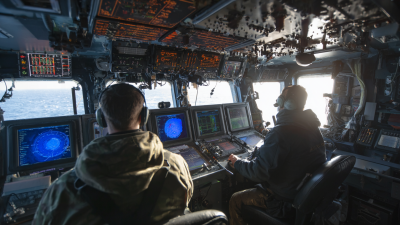
In aerospace, IMUs facilitate navigation in areas lacking GPS signals, such as deep space or during inclement weather. In construction, these systems support heavy machinery operation, ensuring accurate positioning and reducing accidents. The growing use of IMUs in agriculture also exemplifies their versatility. Drones equipped with inertial sensors can monitor crop health and optimize resource use.
However, implementing these solutions may pose challenges, such as sensor drift and calibration issues.
Research indicates that IMU inertial sensor data can be fused with other technologies for improved accuracy. Combining inertial readings with GPS data helps mitigate the limitations of both systems. Nonetheless, companies must invest in comprehensive training to maximize IMU benefits. The learning curve can be steep, but the right approach leads to significant advantages in precision and reliability. As industries evolve, so do the applications for inertial positioning solutions, suggesting a bright future.
Future Trends in Inertial Positioning Technology
Inertial positioning technology is advancing rapidly. Innovations are emerging, making systems smarter and more reliable. New algorithms are enhancing accuracy. However, challenges still exist. Integration with existing technologies can be complex. Interference from environmental factors may lead to inconsistent readings.
The trend towards miniaturization is noteworthy. Smaller, more efficient sensors are being developed. These devices consume less power and offer longer deployment times. The use of Inertial Gps is becoming more prevalent, combining inertial measurement with traditional GPS methods. This hybrid approach improves location accuracy significantly.
Despite the excitement around these advancements, there’s room for improvement. Many systems require extensive calibration, complicating use in real-world applications. Additionally, data interpretation can sometimes be misleading. As technology evolves, focusing on user experience and reliability will be crucial. Addressing these issues will ensure a more robust adoption of inertial positioning solutions.
Enhancing UAV Navigation Accuracy with Digital BSD120: Insights from the Inertial Navigation Market Trends 2023
In 2023, the inertial navigation market has witnessed a significant push toward enhancing accuracy and reliability, particularly in the context of UAV (Unmanned Aerial Vehicle) navigation systems. The rapid evolution of technology has led to the adoption of advanced gyroscopic solutions that meet the stringent demands for precision in navigation. One of the key trends is the increasing use of fiber optic gyroscopes, which are renowned for their quick startup times and wide measurement ranges. Reports indicate that the fiber optic gyroscope market is projected to grow at a compound annual growth rate (CAGR) of over 6% in the coming years, reflecting the rising need for reliable inertial navigation solutions across various sectors.
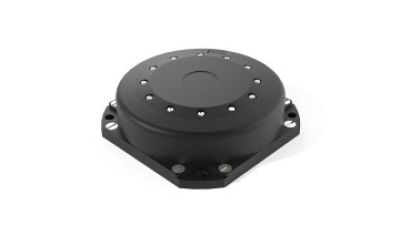
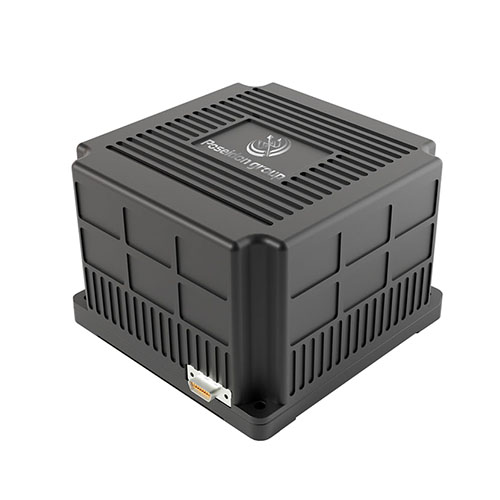
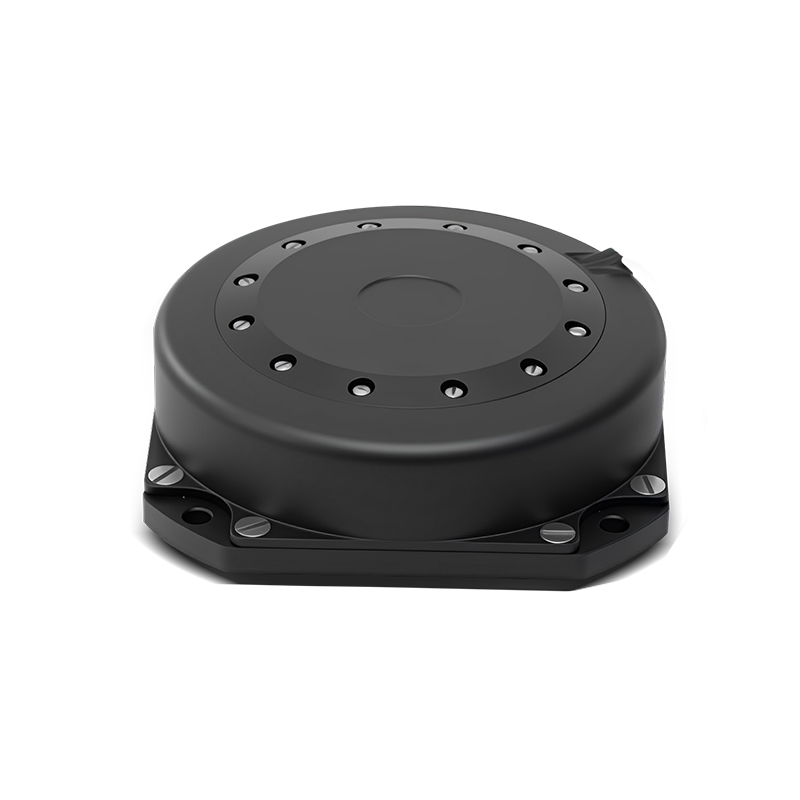
The Poseidon BSD120 uniaxial precision fiber optic gyroscope exemplifies the technological advancements in this field. With its digital closed-loop technology, the BSD120 offers remarkable zero-bias stability ranging from 0.01º/h to 0.05º/h, significantly improving navigation accuracy for UAV applications. Its compact design and lightweight construction enable easy integration into diverse platforms, including autonomous vehicles and industrial automation systems. Furthermore, the BSD120's resilience to shock and vibration underlines its suitability for high-stakes environments, fulfilling the industry's requirement for robust performance in challenging operational conditions.
As the market continues to evolve, the integration of high-performance inertial navigation systems such as the BSD120 is becoming increasingly vital. Demand for precision in applications such as land positioning and airborne navigation is driving innovation, shaping the future of UAV technologies. The growing emphasis on interoperability and system integration is also pushing manufacturers to refine their offerings, ensuring they not only meet the current market needs but are also adaptable to future advancements in navigation technology.
FAQS
: They use sensors to track position and orientation without external signals. Ideal for unreliable GPS environments.
Accuracy can vary based on sensor quality and conditions. Errors can accumulate over time, leading to drift.
Regular calibration mitigates drift and enhances accuracy, improving overall user experience.
Key features include accuracy, integration capabilities, and data processing speed. Each affects system performance significantly.
Seamless integration with existing technologies allows for better functionality and performance. Ask about support during selection.
Smaller sensors are being developed, which are more efficient and consume less power. This extends deployment times.
Yes, integration can be complex, and environmental factors may cause inconsistent readings. Calibration can also be extensive.
Yes, pilot testing helps identify potential issues early on before full deployment, ensuring better reliability.
Yes, sometimes the data can be misinterpreted, highlighting the need for careful analysis and understanding.
Evaluate specific needs, environmental compatibility, and the trade-offs between speed and accuracy for your application.
Conclusion
Inertial Positioning is a crucial technology that enables precise navigation and tracking in various applications. This article explores the landscape of inertial positioning solutions, highlighting key technologies that underpin these systems and the critical features to consider when selecting a suitable option. The comparative analysis of different products provides insights into their capabilities, while an overview of leading companies in the market showcases the competitive environment driving innovation in this field.
Furthermore, the article discusses the diverse applications and use cases of inertial positioning, which range from aerospace to consumer electronics, illustrating its versatility and widespread relevance. Lastly, the exploration of future trends in inertial positioning technology reveals exciting developments on the horizon, indicating that this field will continue to evolve and redefine navigation methods across multiple industries.

 TBSD60
 BSD120
 BSD98
BSD98 BSD70
BSD70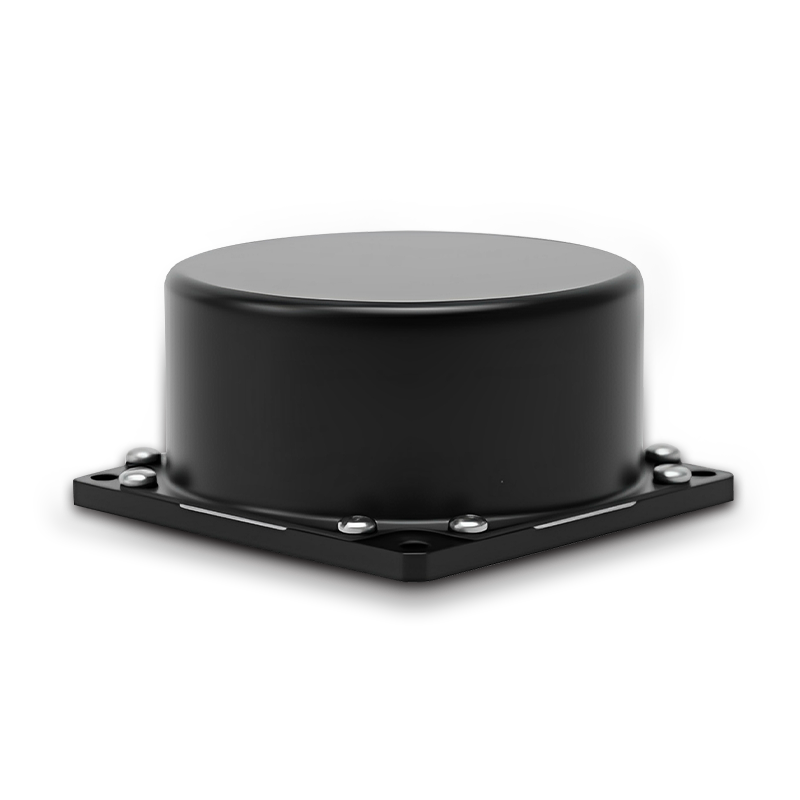 BSD60
BSD60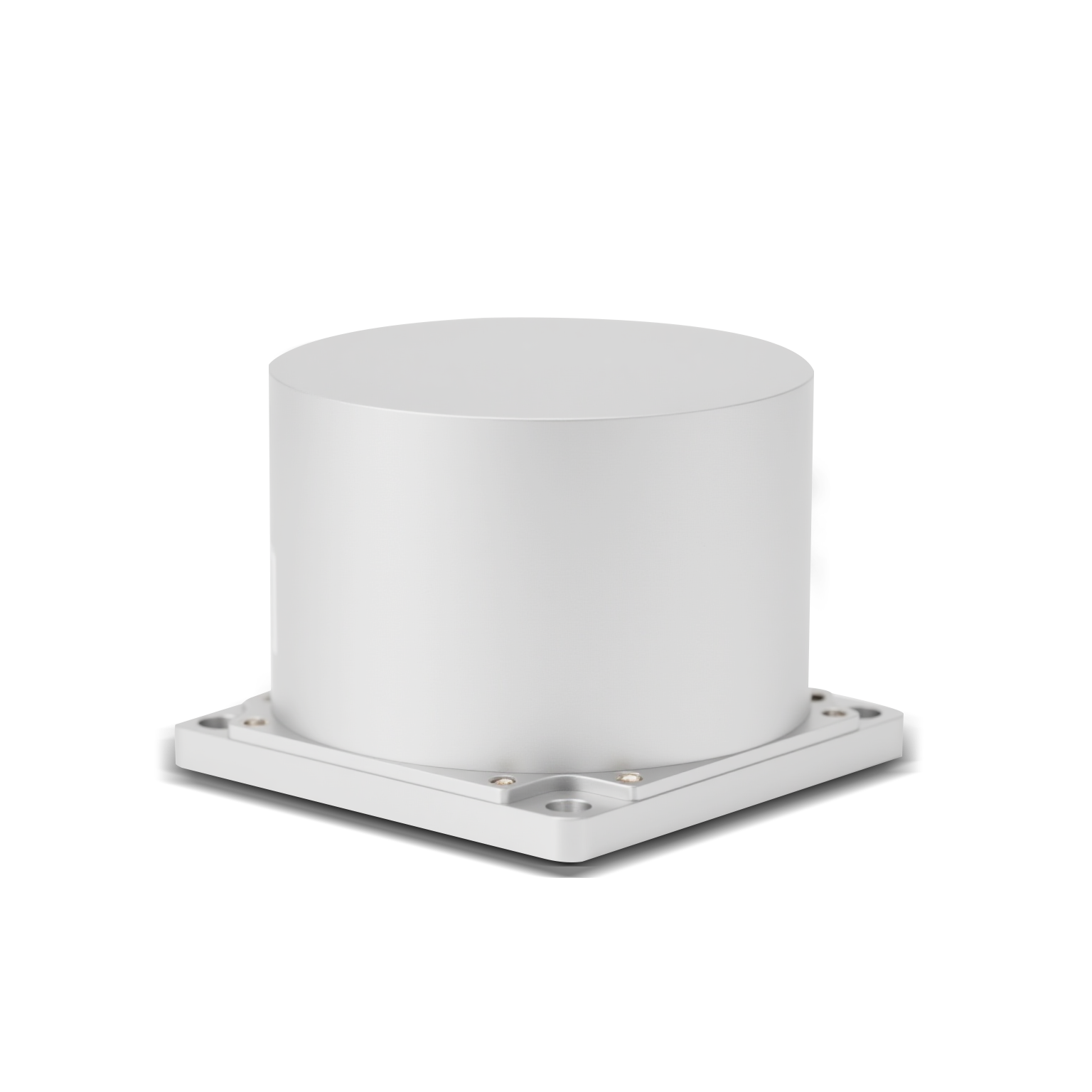 BSD50
BSD50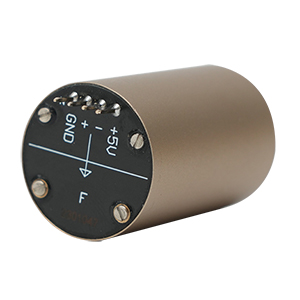 BSD217
 INS1700
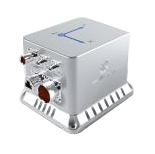 INS970
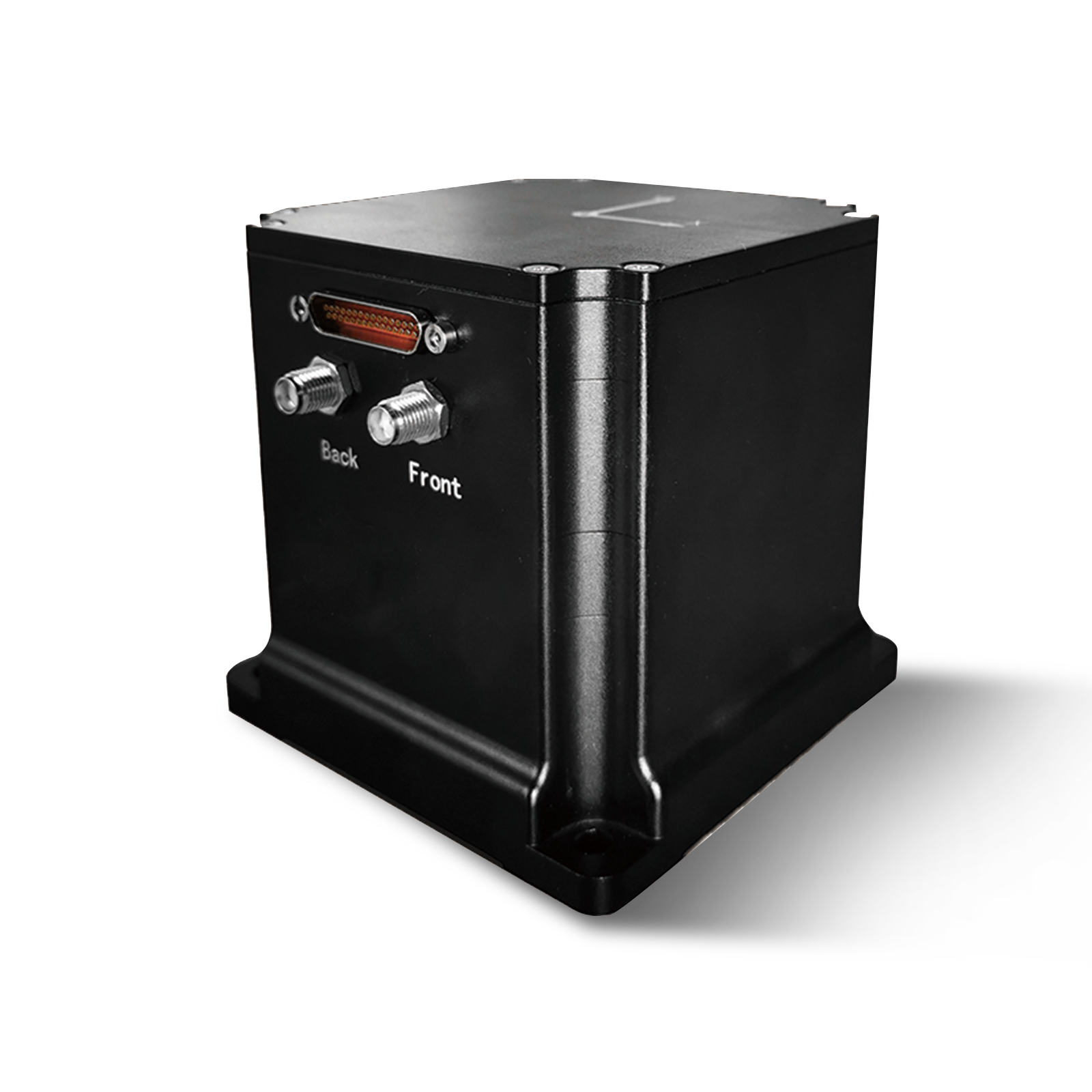 INS570
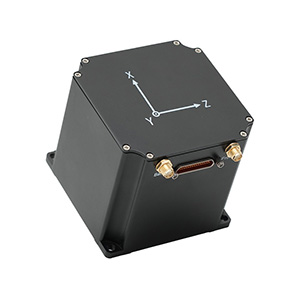 INS170
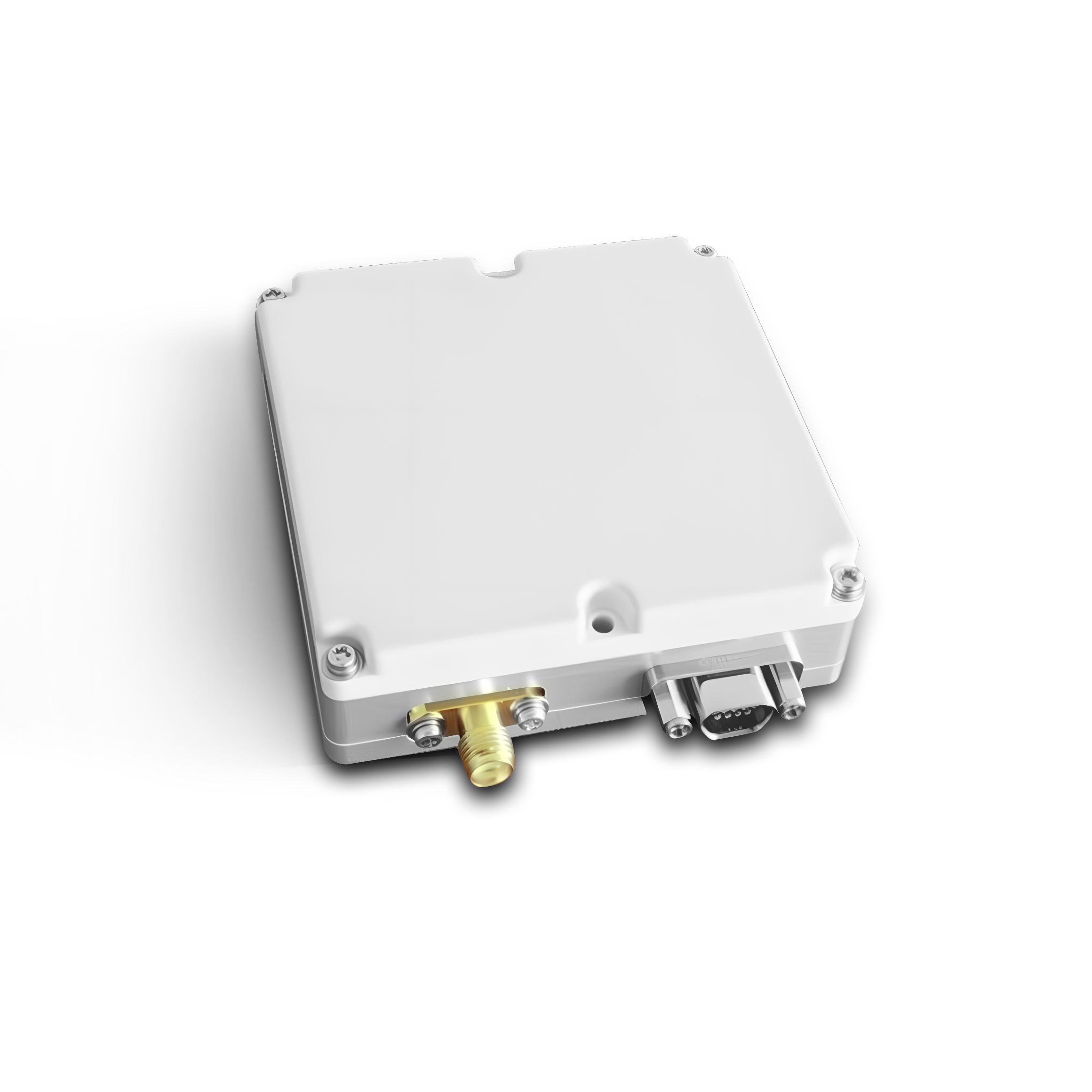 SLA-4B1L1-65
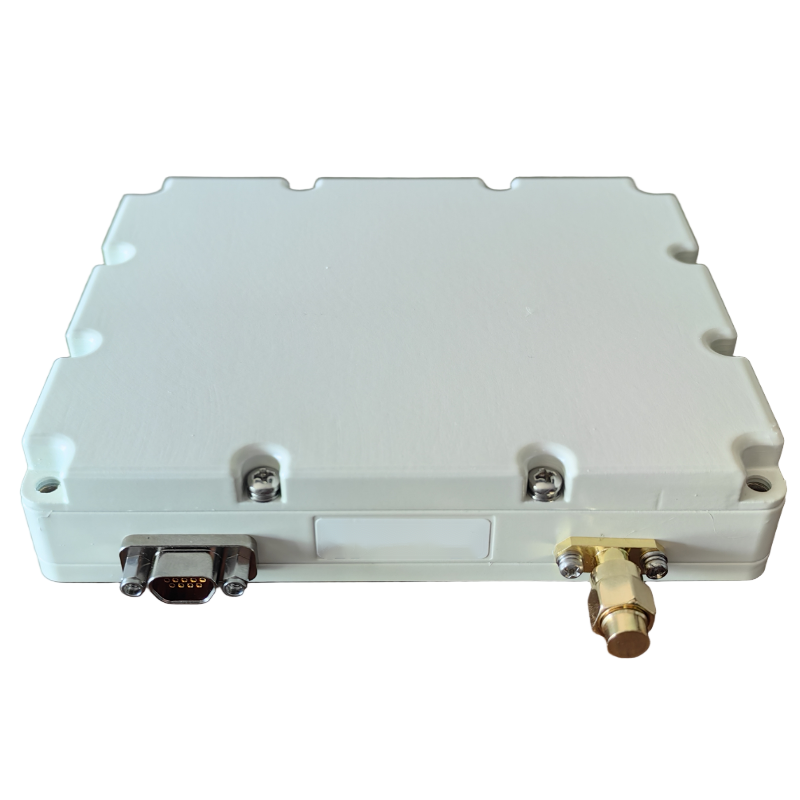 SLA-8B1L1-110
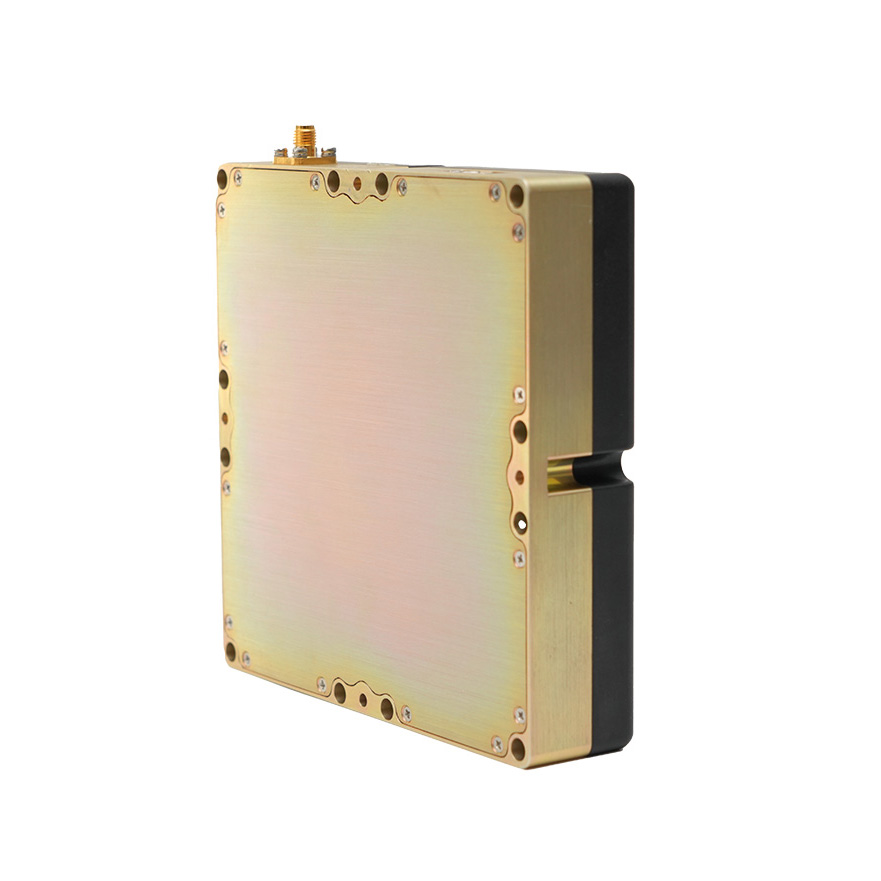 SLA-4B1L1-130
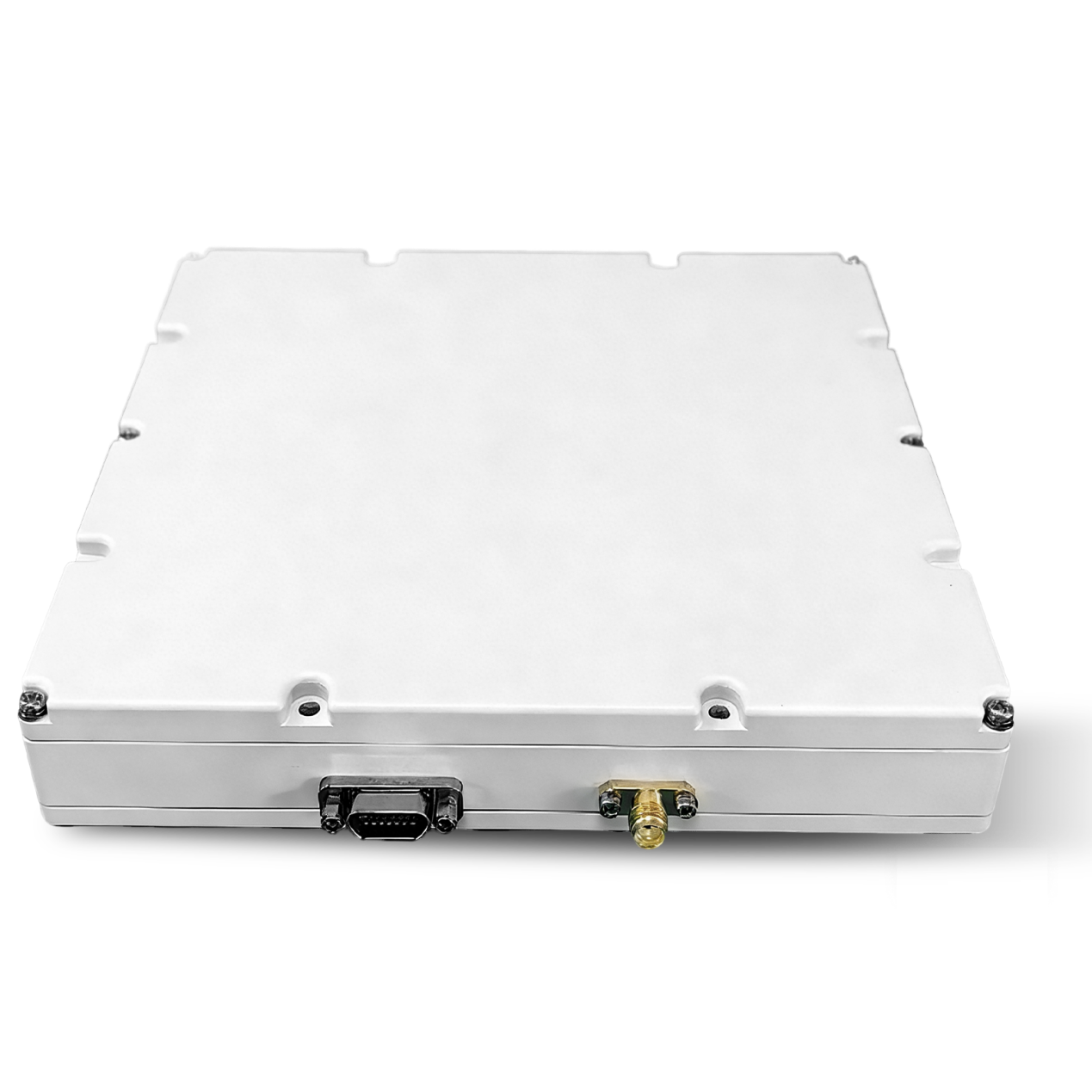 SLA-16B1L1-160
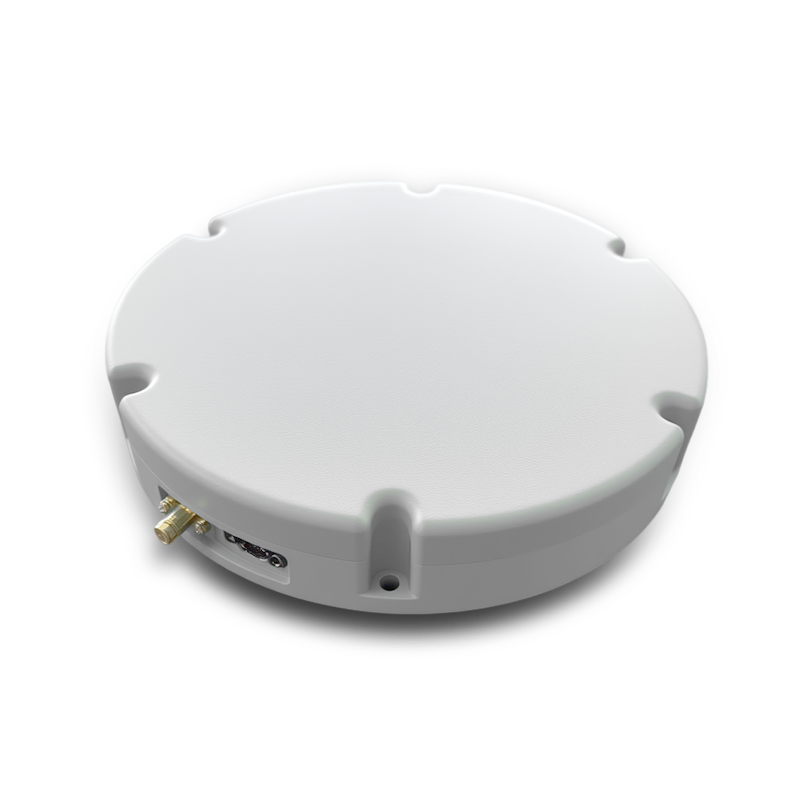 SLA-8B1L1-165
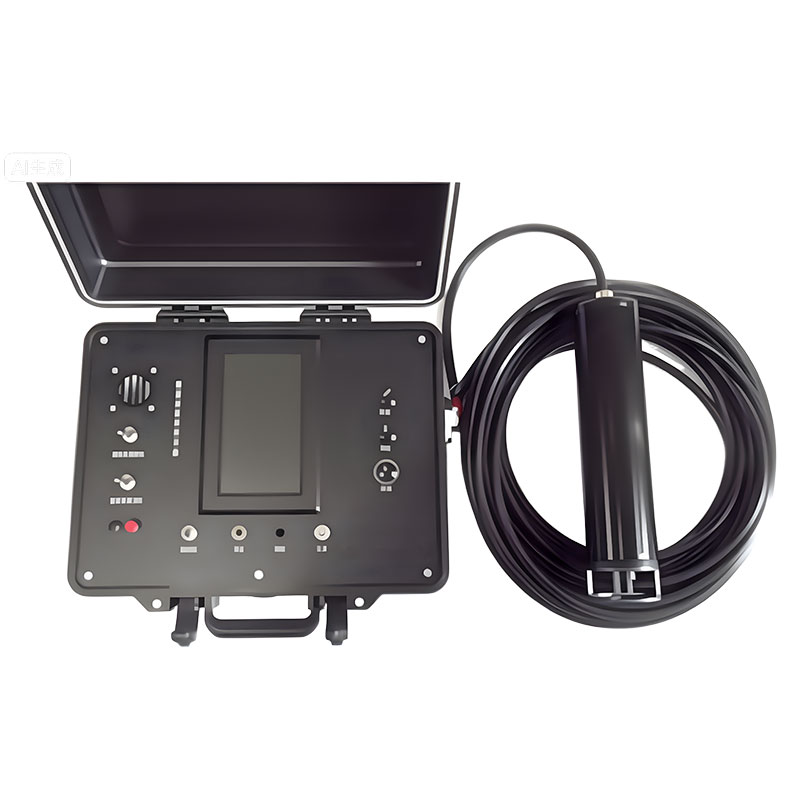 101 Vessel-mounted Positioning
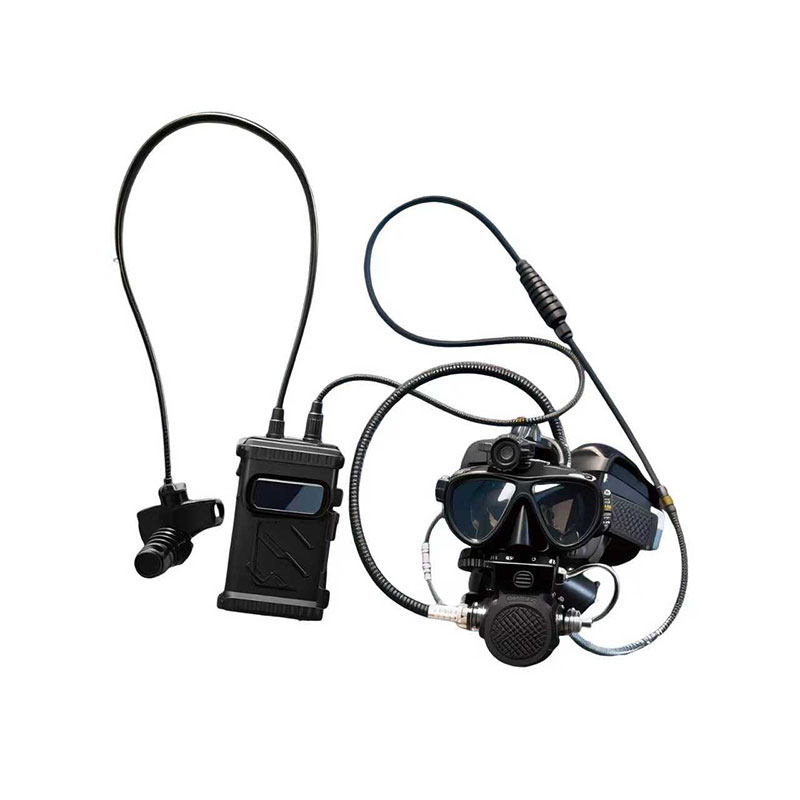 102 Acoustic Communication
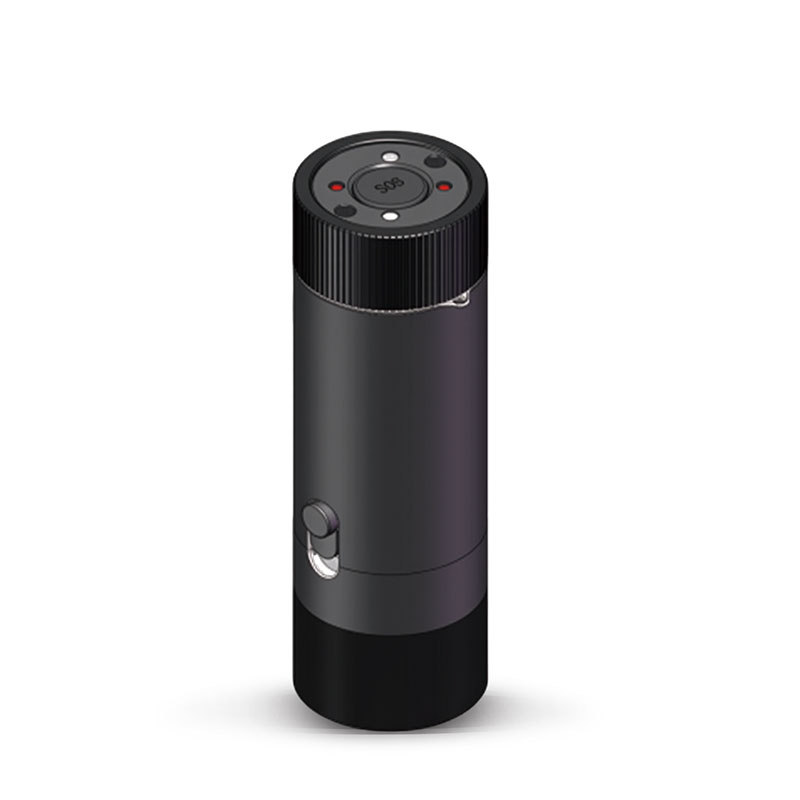 103 Tracking and Locating
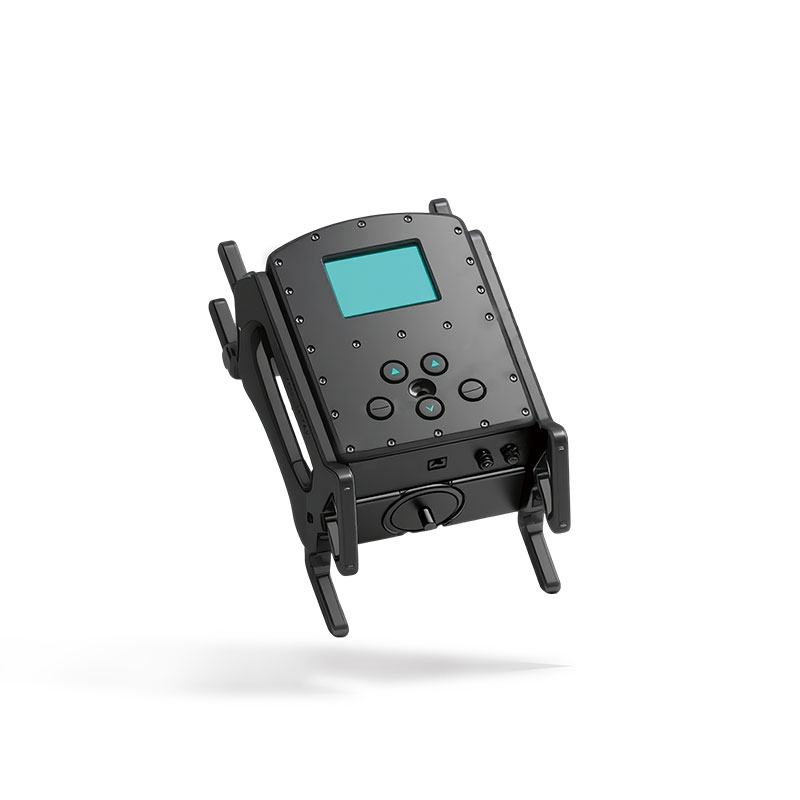 104 Diver Navigation System
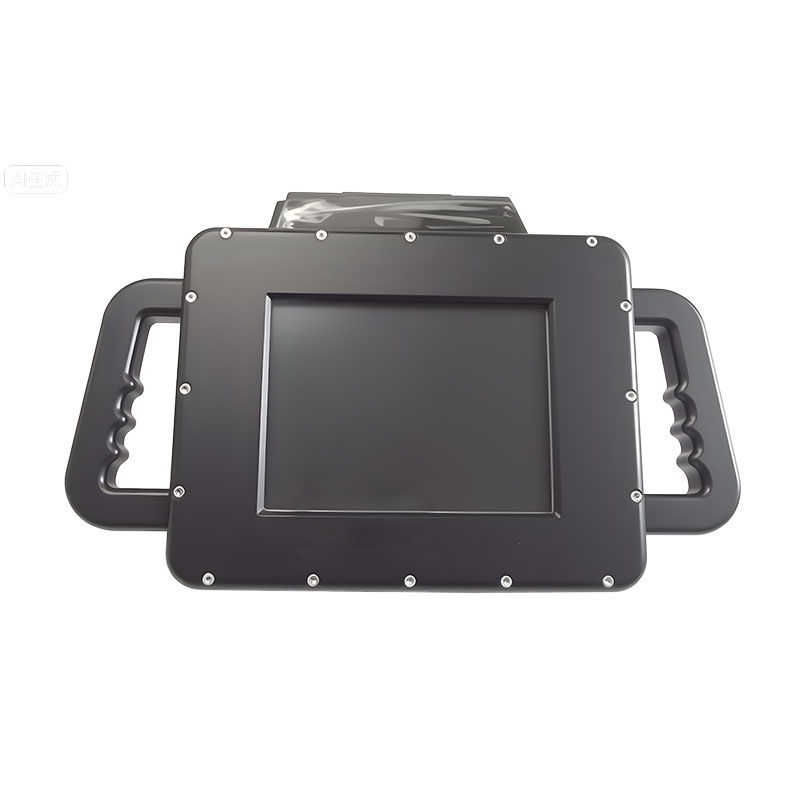 105 Intrusion Detection Sonar
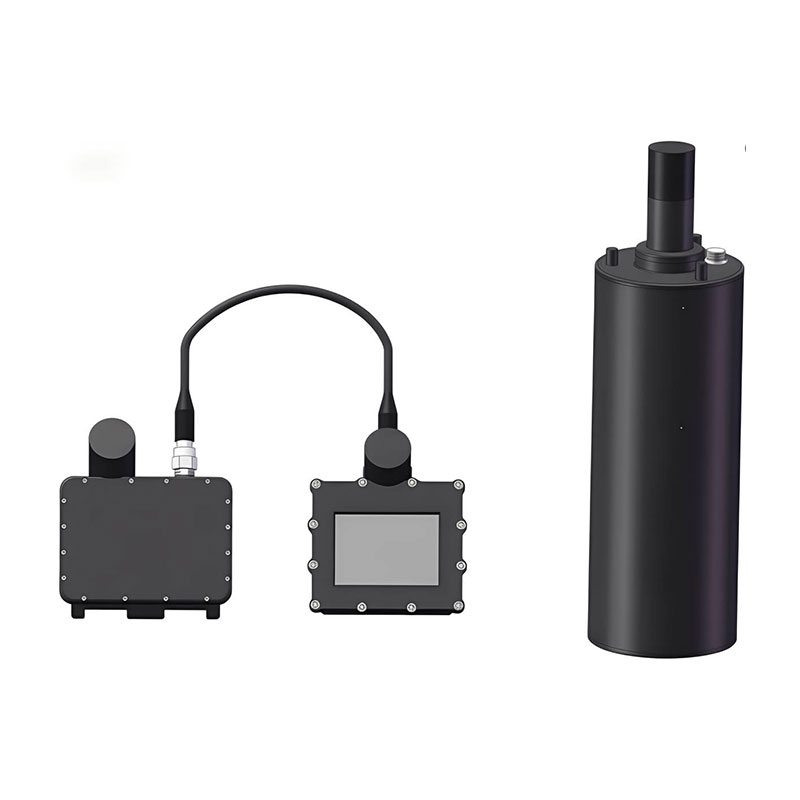 106 Delivery Locator Beacon
 SLLR3000
 SLLR905
 SLLD25
 108IMU
 150M
150M 500MH
500MH 160M
160M 170M
170M SLFC-70
 SLAF280
 MR360
MR360