Hey there! You know, in the fast-changing world of digital marketing, the idea of 'Ins Positioning' has really started to stand out as a game-changer for brands trying to grab their audience’s attention and build real engagement. Basically, getting a good handle on Ins Positioning means using social platforms—like Instagram—to craft a unique brand vibe that really clicks with the people you're trying to reach. When you nail your positioning strategy, it’s easier to stand out from the competition, grow a loyal community, and ultimately, turn followers into customers.
In this article, I’ll walk you through the ins and outs of popular Ins Positioning tactics that can actually make a difference in your digital marketing success. We’ll cover what really matters—like understanding your target audience, creating content that sticks, and really engaging with your followers. Plus, I'll share some real-life examples of brands that have nailed their Ins Positioning game, with tips you can probably use no matter what industry you're in. Once you get a good grip on all this, you’ll be better equipped to boost your brand’s presence in the crowded online space and set yourself up for steady growth. Sound good? Let’s dive in!
Identifying Your Target Audience for Effective Digital Marketing Strategies
Identifying your target audience is crucial for effective digital marketing strategies, particularly for companies like Poseidon International Group, which specialize in advanced technology solutions such as fiber optic gyroscopes and inertial navigation systems. Understanding the demographic and psychographic characteristics of your audience allows you to tailor messaging and choose the right platforms for engagement. This approach not only enhances the relevance of your campaigns but also maximizes your return on investment.
Utilizing data analytics and market research is essential in identifying the specific needs and preferences of your audience. By leveraging these insights, businesses can adopt targeted marketing efforts, such as influencer partnerships and social media strategies, to connect with potential customers. By focusing on a clearly defined audience, Poseidon can effectively position its innovative technologies in a competitive landscape, ensuring that the messaging resonates and drives engagement.
Creating a Unique Value Proposition to Stand Out in the Digital Marketplace
In the rapidly evolving digital marketplace, crafting a unique value proposition (UVP) is paramount for businesses striving to differentiate themselves from the competition. A successful UVP succinctly conveys what sets a brand apart and why consumers should choose its products or services over others. This requires a deep understanding of customer needs, market trends, and the competitive landscape. By identifying the specific pain points of target audiences and offering tailored solutions, brands can position themselves as indispensable players in their respective niches.
To effectively communicate a UVP, companies must leverage various digital marketing strategies, including targeted content creation, social media engagement, and search engine optimization. High-quality content that resonates with the audience not only showcases the brand’s unique attributes but also builds trust and credibility. Additionally, employing interactive elements such as surveys and feedback mechanisms can deepen customer connections and refine the UVP over time. As businesses cultivate a clear and compelling message, they are more likely to foster brand loyalty and long-term success in the crowded digital environment.
Leveraging Data Analytics to Refine Your Digital Marketing Tactics
In today’s competitive digital landscape, leveraging data analytics has become essential for refining marketing tactics. By analyzing consumer behavior, preferences, and trends, businesses can gain invaluable insights that drive their marketing strategies. These insights allow brands to segment their audience effectively, ensuring that messages are tailored to meet the specific needs of different groups. For instance, predictive analytics can help businesses anticipate future buying behaviors, enabling them to craft targeted campaigns that resonate with potential customers, thereby increasing engagement and conversion rates.
Moreover, utilizing data analytics helps businesses measure the effectiveness of their marketing efforts in real time. By tracking key performance indicators (KPIs) such as click-through rates and customer acquisition costs, companies can adjust their campaigns on the fly. This iterative process not only enhances the immediate impact of marketing efforts but also informs future strategies, creating a feedback loop that fosters continuous improvement. Ultimately, embracing data analytics empowers businesses to make informed decisions, maximizing the return on investment in their digital marketing initiatives.
Integrating Multi-Channel Marketing Approaches for Broader Reach
In today’s digital landscape, integrating multi-channel marketing approaches is crucial for brands aiming for broader reach and engagement. By utilizing multiple platforms—social media, email, and search engines—brands can amplify their message and connect with diverse audiences. This strategy allows for the synergistic effect of reaching potential customers where they spend the most time, thereby enhancing brand visibility and customer interaction.
Moreover, the advent of AI and hyper-personalization is revolutionizing how brands execute their influencer marketing campaigns. With a focus on tailored content that resonates with specific audience segments, influencers can craft messages that feel more personal and relatable. This shift not only fosters deeper connections with consumers but also drives higher engagement rates. Case studies from remarkable influencer campaigns illustrate how brands effectively leverage user-generated content and storytelling, further showcasing the importance of a well-rounded, multi-channel approach in today’s competitive digital market.
Utilizing Social Media for Enhanced Brand Positioning and Engagement
Social media has become an indispensable tool for brands aiming to enhance their market positioning and engage more effectively with their audiences. According to a recent report by Hootsuite, 73% of marketers believe that their efforts through social media marketing have been “somewhat effective” or “very effective” for their businesses. This statistic emphasizes the importance of a strategic approach to social media, not just for brand awareness but also for fostering meaningful interactions with consumers. By developing tailored content that resonates with target audiences, companies can foster loyalty and create a sense of community around their brand.
Tip: To improve your brand's social media engagement, focus on tailoring content to the interests and preferences of your target audience. Utilize analytics tools to monitor which types of content generate the most engagement and iterate on your strategy accordingly.
Moreover, integrating user-generated content can significantly elevate brand positioning. A Nielsen study found that 79% of consumers say user-generated content highly impacts their purchasing decisions, highlighting the effectiveness of leveraging the voice of customers в– through testimonials, reviews, and social media posts. Brands that actively encourage their audiences to share their experiences not only increase credibility but also cultivate a vibrant online community.
Tip: Encourage customers to share their stories by creating campaigns that incentivize user-generated content. Consider running contests or giveaways that motivate users to showcase their interactions with your products, amplifying authentic engagements with your brand.
Measuring Success: Key Performance Indicators for Digital Marketing Effectiveness
Measuring success in digital marketing is crucial for any brand aiming to thrive in a competitive landscape. Key Performance Indicators (KPIs) serve as a compass, guiding marketers toward effectiveness and efficiency. According to a report by HubSpot, 44% of marketers measure the success of their campaigns through lead generation, reinforcing the importance of understanding how customers interact with content. By focusing on metrics such as conversion rates, click-through rates, and customer acquisition cost, businesses can refine their strategies for greater ROI.
Furthermore, the Digital Marketing Association states that 49% of marketers believe that tracking customer engagement is vital for campaign success. Engaging content not only drives traffic but also fosters customer loyalty. Metrics like social media shares, comments, and time spent on page provide insights into what resonates with the audience, facilitating data-driven decisions. Overall, a comprehensive analysis of these KPIs allows brands to adapt their digital marketing approaches, ensuring continuous improvement in their positioning strategies and ultimately driving sustainable growth in the digital marketplace.
Enhancing Maritime Operations with DIVER 101: The Ultimate Vessel-mounted Communication & Positioning System
The maritime industry is undergoing a significant transformation with the introduction of advanced technologies, and the DIVER 101 system is at the forefront of this evolution. Specifically designed for underwater operations, DIVER 101 offers robust real-time location data that seamlessly connects divers, command vessels, and team members. The critical coordination it provides is not only essential for the success of missions but also vital for the safety of personnel engaged in complex subaquatic activities.
According to a recent report by the International Maritime Organization, the adoption of innovative vessel-mounted communication systems is projected to enhance operational efficiency by up to 30% in the next five years. The DIVER 101 serves as the core command hub in modern amphibious operations, significantly reducing the risks associated with underwater missions. By ensuring effective communication and accurate positioning, the system empowers teams to execute coordinated efforts, ultimately leading to safer and more efficient maritime operations.
As the demand for underwater exploration and operations grows, tools like the DIVER 101 are becoming indispensable. The ability to provide real-time tracking and communication not only serves military applications but extends to commercial sectors engaged in underwater construction, research, and environmental protection. Embracing such advanced systems is crucial for operators looking to enhance mission effectiveness while prioritizing crew safety in an increasingly challenging marine environment.
FAQS
: Identifying the target audience is crucial because it allows businesses to tailor messaging and choose the right platforms for engagement, enhancing the relevance of campaigns and maximizing return on investment.
Companies can effectively identify their audience's needs and preferences by utilizing data analytics and market research to gain insights that inform targeted marketing efforts.
Social media is essential for enhancing market positioning and engaging audiences by fostering meaningful interactions and building brand loyalty through tailored content.
User-generated content significantly influences purchasing decisions, as 79% of consumers report it highly impacts their choices, enhancing credibility and fostering community engagement around a brand.
Brands can encourage user-generated content by creating campaigns that incentivize sharing, such as contests or giveaways that motivate users to showcase their experiences with products.
KPIs are metrics used to measure the effectiveness and efficiency of digital marketing campaigns, guiding marketers in understanding customer interactions and overall campaign success.
Important metrics include conversion rates, click-through rates, customer acquisition costs, social media shares, and time spent on pages, which provide insights into audience engagement and strategy refinement.
Tracking customer engagement is vital because it indicates how well content resonates with the audience, driving traffic, fostering loyalty, and informing data-driven decision-making.
Businesses can adapt their marketing strategies by conducting comprehensive analyses of KPIs, allowing for continuous improvement in positioning strategies and achieving sustainable growth.
Tailored content is important in social media marketing because it improves brand engagement and fosters a sense of community, ultimately leading to higher customer loyalty and interaction.
Conclusion
In the rapidly evolving digital marketplace, effective Ins Positioning strategies are crucial for organizations like Poseidon International Group (Hong Kong) Limited, which specializes in cutting-edge technologies such as inertial navigation systems (INS). To optimize digital marketing success, it is essential to identify a target audience and create a unique value proposition that differentiates the company from competitors.
Leveraging data analytics allows for the refinement of marketing tactics, ensuring that messaging resonates with potential customers. Furthermore, an integrated multi-channel approach expands reach while utilizing social media enhances brand positioning and engagement. Finally, establishing key performance indicators (KPIs) is vital for measuring the effectiveness of digital marketing efforts, ensuring that strategies evolve in alignment with business goals and market demands.

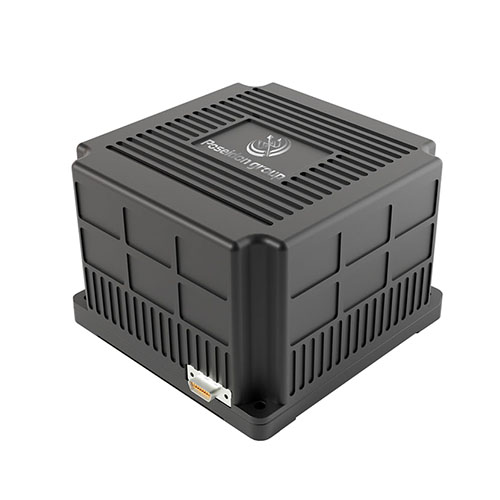 TBSD60
 BSD120
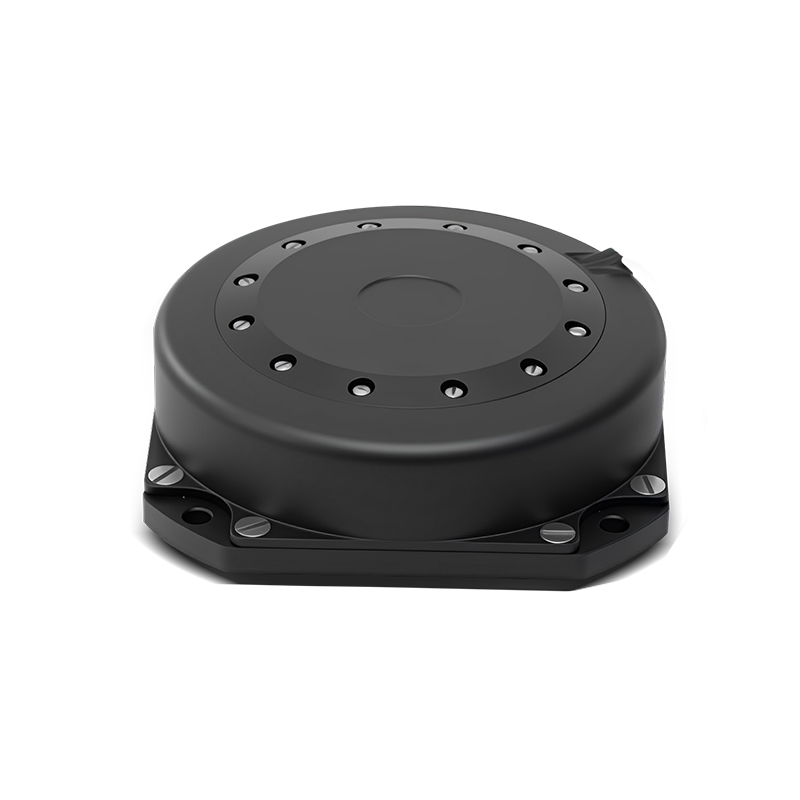 BSD98
BSD98 BSD70
BSD70 BSD60
BSD60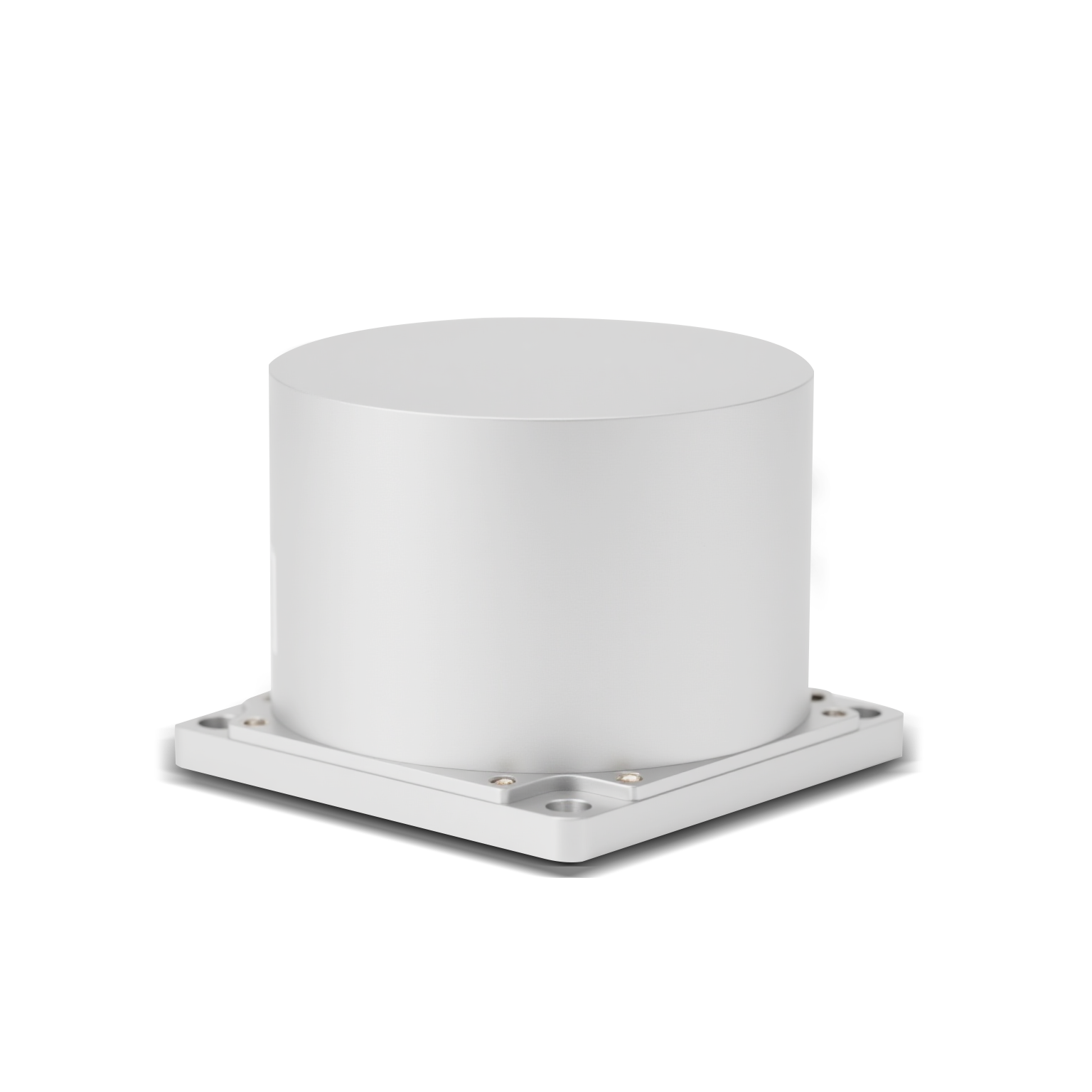 BSD50
BSD50 BSD217
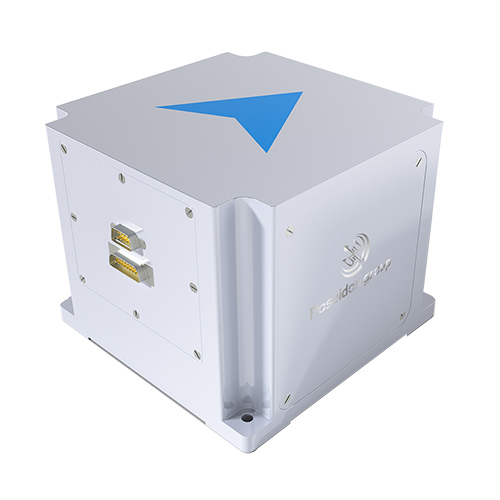 INS1700
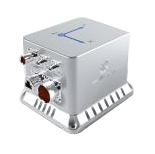 INS970
 INS570
 INS170
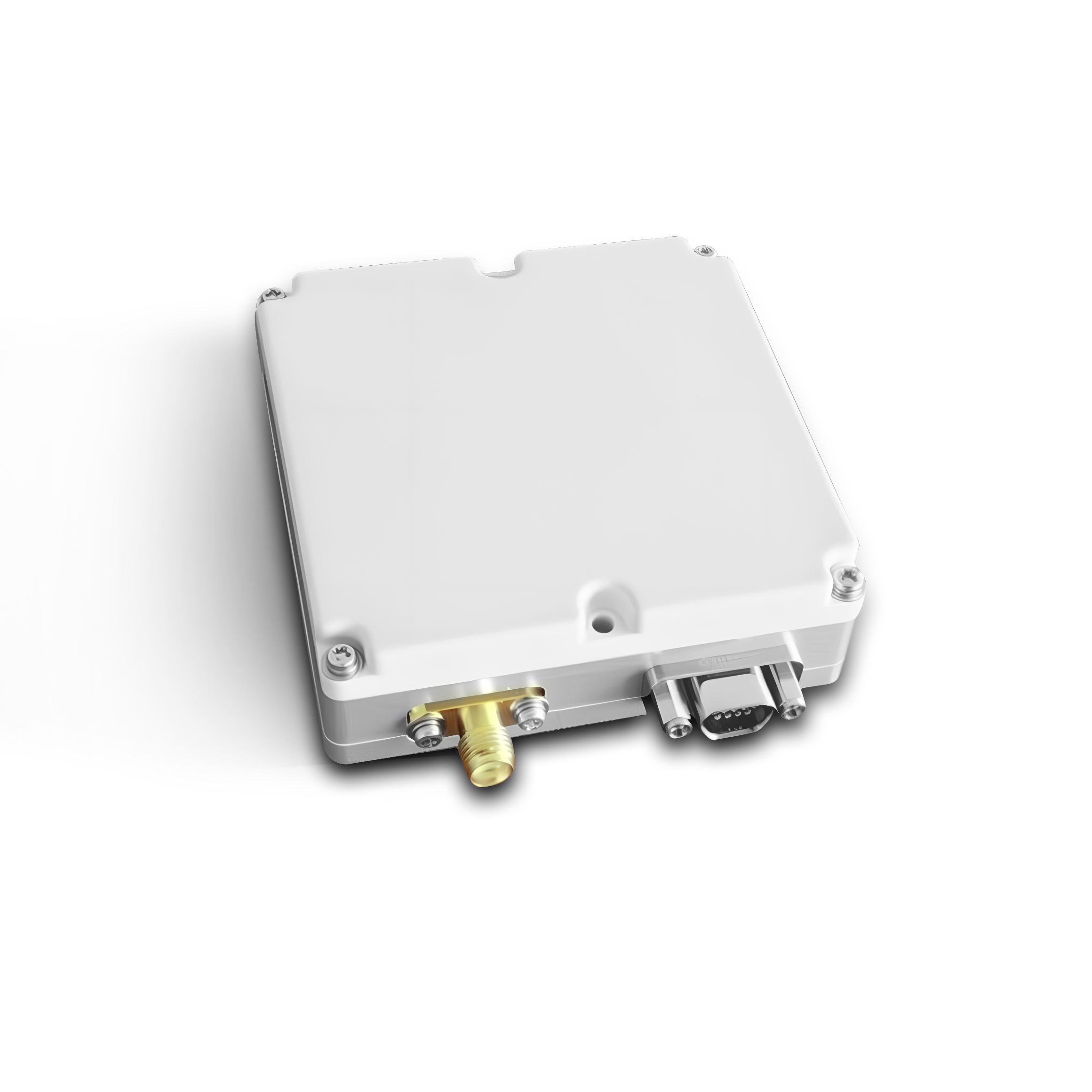 SLA-4B1L1-65
 SLA-4B1L1-130
 SLA-8B1L1-165
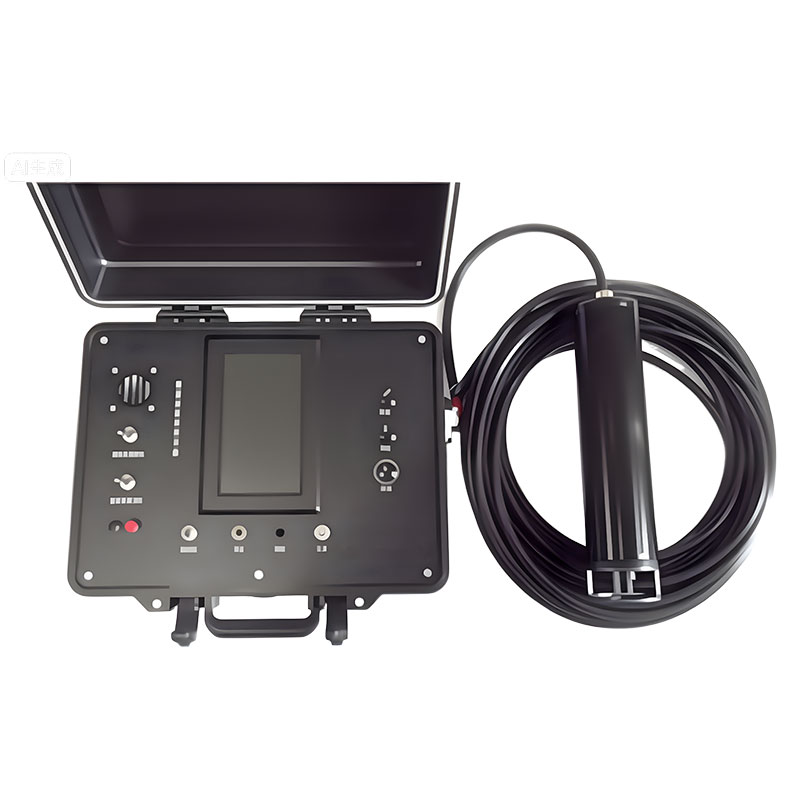 DIVER 101
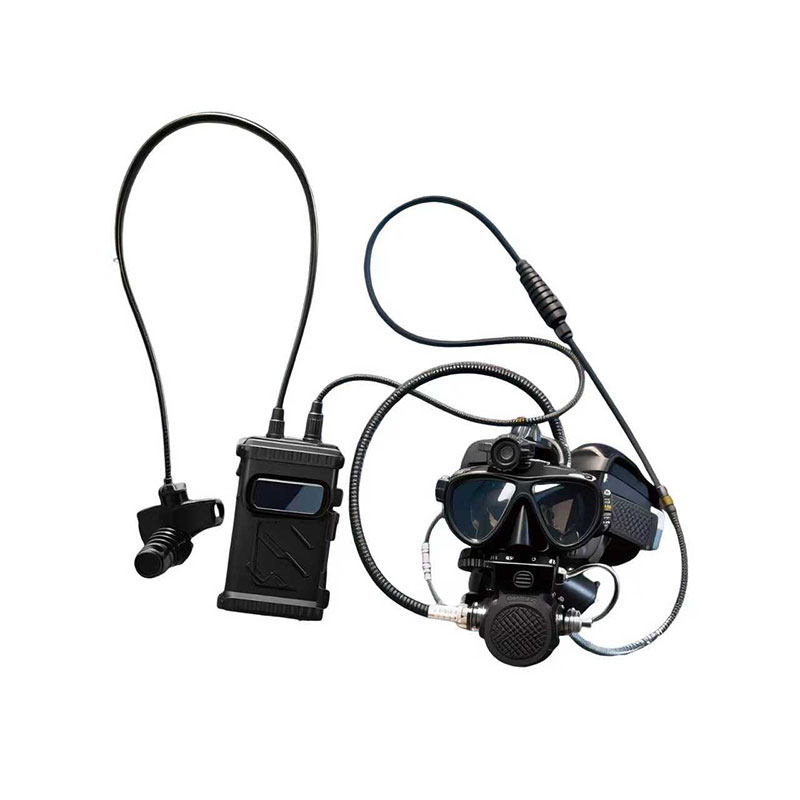 DIVER 102
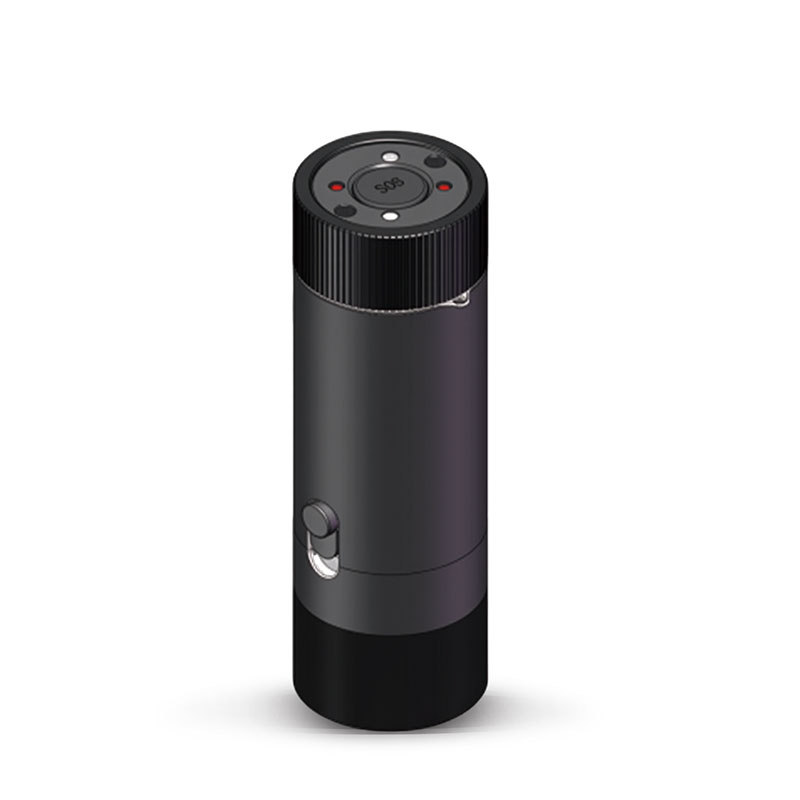 DIVER 103
 DIVER 104
 DIVER 105
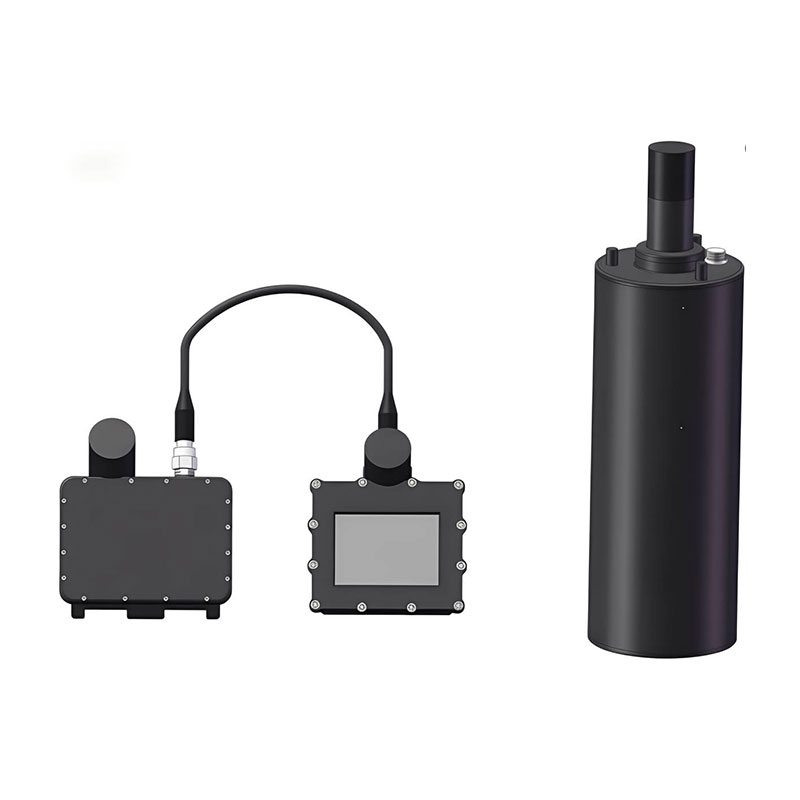 DIVER 106
 SLLR3000
 SLLR905
 SLLD25
 160M
160M 170M
170M SLFC-70
 SLAF280
 MR360
MR360